Saturday, November 10, 2018

Inquiry lab reflection

This week my the lab I had to present was inquiry based. It took me a while to come up with what I was going to do for this type of lab. Realizing that inquiry has multiple levels of difficulty for both the learners and the Teacher. This is because depending on different factors inquiry can either be somewhat structured by the teacher or it can be completely student driven. Either way you look at it however, it is the students who are posing the questions.
Image result for question marks
I personally found inquiry a hard concept to grasp, but I think with more and more practice I will be able to become better at it. I truly think inquiry is a great tool to get students to access their higher levels of thinking. Throughout school students are often spoon fed the information that they need. This does not lead to critical or individual thinking.

My lab was having the student score white-tailed deer antlers off of the Boone and Crockett scoring model. My idea was to just give them the worksheet and have them score the antlers based of the image on the score sheet. After they started I realized I should of included a demonstration showing them how to score the antlers because I had to interrupt the students once or twice because I noticed that they were doing it incorrectly. I recognized this as my opp.
Image result for boone and crockett score sheet
For my gems:

  • At the beginning of my lab I had them each choose a different animal that has antlers and look up information about them. I think it was good to show that there are other animals out there that have antlers rather than just white-tailed deer. 
  • I feel as though my students enjoyed my lab because I had them doing a very hands on activity and it kept them occupied.
Image result for making connections

All in all I love the concept of inquiry and it makes me excited to see what student's come up with as they search for answers. Who knows maybe while they are researching something you propose they'll come up with something you never thought of/found. I can not wait to stretch my inquiry teaching techniques while I am out student teaching!

Sunday, November 4, 2018

Week 11 investment- Inquiry

Inquiry-based instruction is a type of teaching method. This method entails the students driving the class forward rather than it being led by the teacher. The teacher may pose a question for the student's to solve, however it's up to the student's to solve the problem and figure out how to go about solving it. There are different level of inquiry. There is a very structured version all the way up to a very open level. A teacher who is new to inquiry may be more comfortable with a structured approach, so that way the still have a little control over what is going to happen. As a teacher gets better at instruction with inquiry The more loosely structured the class can be. Also, when talking about structure it would be easier to start with more structured inquiry and each time you use that method make it less and less structured. That way you are training the students on how to be open thinkers.
Image result for inquiry based instruction
Inquiry follows the scientific method to promote critical thinking. Inquiry is often used in science classes, since science can be very lab based and labs are a good way to implement inquiry. When students learn through inquiry the go through 5 steps:
1.) Questioning
2.) Investigating
3.) Use evidences to describe, explain, and predict what is going to happen
4.) Connect evidences to knowledge
5.) Share their findings.

When using inquiry you are giving students the opportunity to drive their own learning and because of this you allow your students to become better problem solvers. With the way a lot of subjects in schools are led is by spoon feeding the students information so that they never really have to think of things on their own. When you give students the ability to learn and discover things on their own they will remember content better and will have a better understanding of how they can apply it to their own lives.

Enjoy this video that I found that helps me understand exactly what inquiry based instruction is:

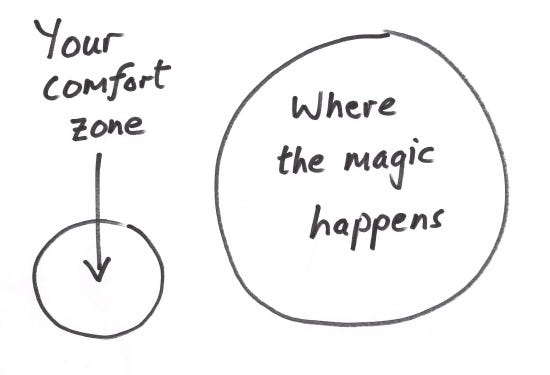
All in all I feel like inquiry is a very useful tool that should be used as you are teaching. As a teacher you should always be pushing your students just a little out of their comfort zone, so that they are able to grow and I believe that inquiry based instruction can do just that.

My first National FFA convention

I would have to say my first trip to The National FFA convention was a major success! The FFA convention has a lot to offer to an agriculture advisors. I was able to obtain many flash drives with curriculum on them that gave me ideas for what I can teach to my students.

If I had to put my opinion about convention into one word I would say impressive. Just seeing students from all over come together in one central location was amazing. It was also cool to see that advisors either knew or remembered each other even if they taught thousands of miles apart. It showed me how close the ag ed family is and I really inspired by that. In ag ed even if you feel alone, you really aren't. At one point I made a comment of how I was trying to look for my friends to find in the Garth Brooks crowd and Ms. Russell said to me "you don't have to look for friends because you're already surrounded by thousands of them." that made me smile.
Image result for we are all friends
While at convention I felt that I was able to build a stronger connection with Ms. Russell and the more I got to know her the more I realized that I picked the perfect person as my cooperating teacher. While getting to know her I also got to know the a few of the students more. The students that came with us was a really good group. It was interesting to see how they interacted with one another and to see how they interacted with Ms. Russell and I. It was interesting to see all the different personalities, but yet all of them being good students.


The students we took were the state champs for parliamentary procedure. Watching how they were coached up and getting to see them preform parli pro was cool to watch. I will say, even though I didn't coach them personally I felt a sense of pride watching them. I will have to say though students are very forgetful when it comes to remembering important items. There were multiple times when a student would need something, but they had left it behind on accident. I still enjoyed my time with the students nonetheless
Image result for remember

Convention was great, students are great, Advisors are great, AGRICULTURE EDUCATION IS GREAT!

Monday, October 29, 2018

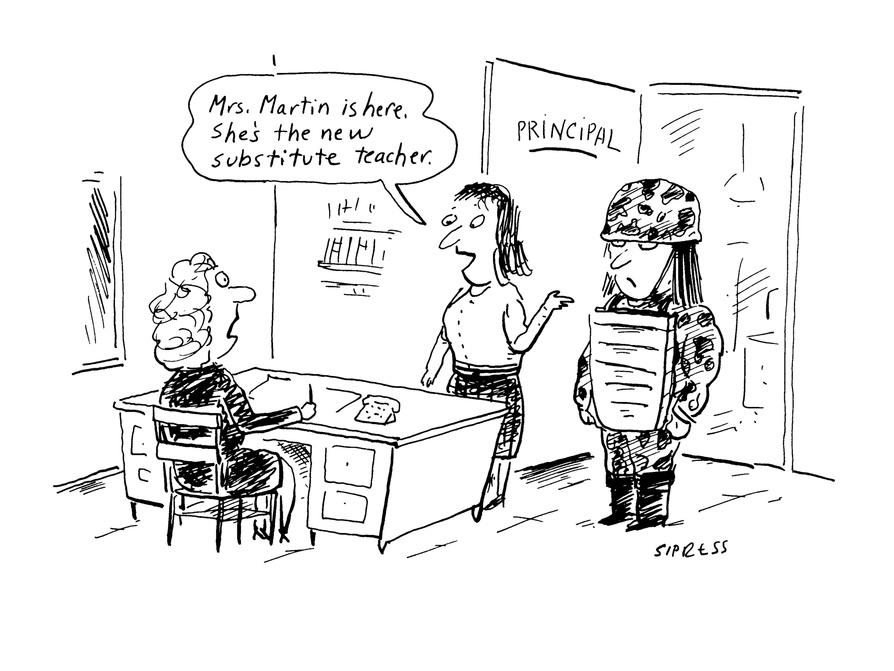
Substitute reflection

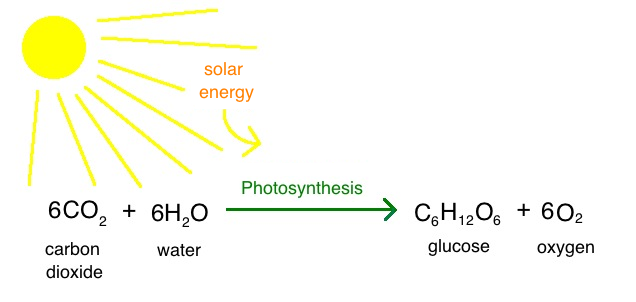
This week in lab we had to create a lesson plan that was worthy for a substitute to teach. In my plan I included a lot of detail, so that if there was any question whatsoever as to what anything was the answer would be right there. I also made sure to include an answer key to the packet that I had the substitute provide to the students and I had an activity that the students had to go up and draw on the board. I made sure to include a picture of what the picture should roughly look like (my lesson was on photosynthesis and they were to draw the cycle on the board).
Image result for photosynthesis
This lab took a turn when it was announced that we were actually going to be teaching another teacher's plan. So I went from thinking I was going to be teaching a class on photosynthesis to teaching a class on artificial insemination (oh boy).
Related image
Overall, I enjoyed the lab because I felt less pressure because I was just suppose to do what I could with the information that I had and I didn't feel like I had to have a lot of knowledge in the content I was teaching, since it wasn't my lesson plan.
The way that I interpreted the sub plan that I got was very lecture based. The bell work and the interest approach were fun. However, when it came to presenting the PowerPoint I felt that it was very dry and I couldn't be authentically enthusiastic about it which was difficult for me. I put as my opp that it was difficult to make the content fun because I didn't really know what I was talking about.
Related image
However, I put as my gems that I went at a good pace for the students to be able to read the slides and get a grasp of what each AI tool was. I also put as my second gem that I answered questions pretty well. If I knew the answer I gave it to them, however if I did not know the answer I was able to admit that I wasn't an expert and to wait for the teacher of their class to come back and answer it. Even if I didn't answer their question, I gave them the route they needed to take to get the answer. It's ALWAYS better to say you don't know rather than try and give students false information.

Sunday, October 14, 2018

Teacher toolbox weekly investment

Teacher toolboxes are important because when one thing may not work out you need to be able to have a back up plan. When thinking about my own personal teacher toolbox all I really have is what I have learned in college thus far. Along with some of my experience teaching in a public setting at the Elk Country Visitors center. In comparison to seasoned teachers that means my toolbox has started however it is not nearly full. 
Image result for elk country visitors center

As a teacher gets experienced they will get more and more comfortable with different methods of teaching as well as becoming comfortable with developing relationships with students. As a student teacher or even as a younger teacher once I get into the profession, I am not going to be able to have as much flexibility in my teaching and relationships with students as a seasoned teacher would. This is not because I'm a bad teacher, but because I'm not fully comfortable yet with my own teaching style. 

Its important to be able to pull from your teacher toolbox different methods of teaching a subject based off of how students are understanding the content. the further along I get in my teaching career the more flexible I will be with changing up my lessons. For example maybe I'm explaining something off of a power point and my students are just not understanding, then I take a moment and think about how I can convey the information to them in a different way. perhaps I would draw on the board so they can visually see step by step where the thought process is going. 
Image result for teacher drawing on board cartoon
I will also have to be self aware that I am not going to know everything that my students may want to know. I need to be able to teach my student the skills to go find the information on their own. Giving them this autonomy may lead them to discovering information that maybe they could share with the class and even teach me as well. 

When it comes to developing relationships with my students I need to try and not to stick with just one type of student. I need to be able to try and reach out to all types of students. As a teacher I need to be able to put myself out of my own comfort zone and use my knowledge of different mentalities that I have stored in my toolbox and reach out to the students that I otherwise would not have spoken with. 
Image result for out of comfort zone

With all this being said your teacher toolbox is important and it may start out small, but slowly you'll add to the toolbox and it will grow and grow.
Image result for cartoon toolbox

Saturday, October 13, 2018

Virtual Mentor interview on cultural diversity and ELL

For this virtual mentor interview I posed the question:

What strategies or resources do you use to help your class/program be responsive to cultural diversity and English language learners?

When talking to my mentors they had a lot of the same mind sets because they all pretty much come from schools that are not highly diverse. They said that it is important because of the low diversity in the schools to make sure you are some how exposing students to other people who may not be exactly like them.
Image result for ethnic cartoon
A really good way to do this is to make sure that you have an active and involved program. Getting students out there to meet other students that are not like them is a very good way to get students familiar with the fact that not everyone is like them. Not only does being involved and going places like state or national convention allow students to be exposed to diversity, but it also helps them create lasting connections that they otherwise would have never gotten.
Related image
Another aspect that was brought up was know your resources in your school, get ideas from other teachers as to they try to include diversity among the students. It never hurts to reach out and ask for advice. Also, doing activities that may be culturally different or watching or teaching content that doesn't strictly talk about the majority of your students population. For instance when doing FFA history don't just talk about the FFA. There was an organization that was called the NFA that was made up of diverse students. It's important for students to realize that there are so many people different that them and the more they can be exposed to it, the better.

I hope that I can create an inclusive environment within my classroom, so that every student feels accepted and wanted. However, I can't just do that alone. I am just one person, I can drive that atmosphere for my classroom, but in the end it's up to the students to accept each other. I believe I can drive that atmosphere by making sure my students are exposed to cultural diversity throughout the time I teach.
Image result for change begins with me cartoon

problem solving lab reflection

Problem solving lab has been done. For this lab we had to choose one of the 4 problem solving approaches. The 4 approaches are:
1.) forked road
2.) different possibilities
3.) effect/cause
4.) situation to be improved
The one I chose to demonstrate was the forked road approach. I had the students read about a fish (everyone had a different one) and pull out some information on it. I then had them test for pH in water and they had to guess whether or not their fish could survive in the water they had chose. The reason this represented the forked road approach is because the fish they had either could live in the pH level or it couldn’t. There was no real gray area to work with. 
Image result for forked road
When it came to classroom management the 4 behaviors I had to work with were: 
1.) hard worker
2.) class clown
3.) a student always on their phone 
4.) the average student

The hard worker and average student were not difficult to manage. The student who was always on their phone got one warning, then when I saw it a second time I had the student move the phone to the back of the room. That way it was away from him and he couldn’t use it again. The class clown was probably the most difficult because she decided to throw out jokes about fish at inappropriate times in the class. I cut off the behavior as soon as I could and kept reinforcing that this wasn’t a place or a time to be joking around and that she could share her jokes after class. 
Image result for class clown cartoon
When it came to the group reflection I had how I handled the class clown as both a gem and an opp. I believe that there is a time and a place for jokes and I could have handled the situation differently, allowing the student to make her jokes while we were transitioning between different steps of the class. However, I don’t think I necessarily handled it incorrectly. I just handled it in a more stern fashion than what I had wanted to.
For my own personal gems and opps:
Gems:
I handled the different behaviors calmly and didn’t get frustrated with what I was doing. Going back to my very first lab when behaviors were implemented I know I was very frustrated afterwards, but I really think I have improved and was able to keep my cool and handle the different situations in a calm manner.
I had a hands on activity, hands on activities are always good for keeping students engaged. 
Opp: 
I feel as though I stumbled a lot through my words as I was trying to explain different aspects of the lesson. I KNOW what I’m talking about, but I need to take a second, so that I can collect my thoughts and not stumble through what I’m saying so that way I sound more confident in my knowledge. 

Overall, I think I did fairly well during this lab. Just a couple things here and there, but hey I’m learning.